

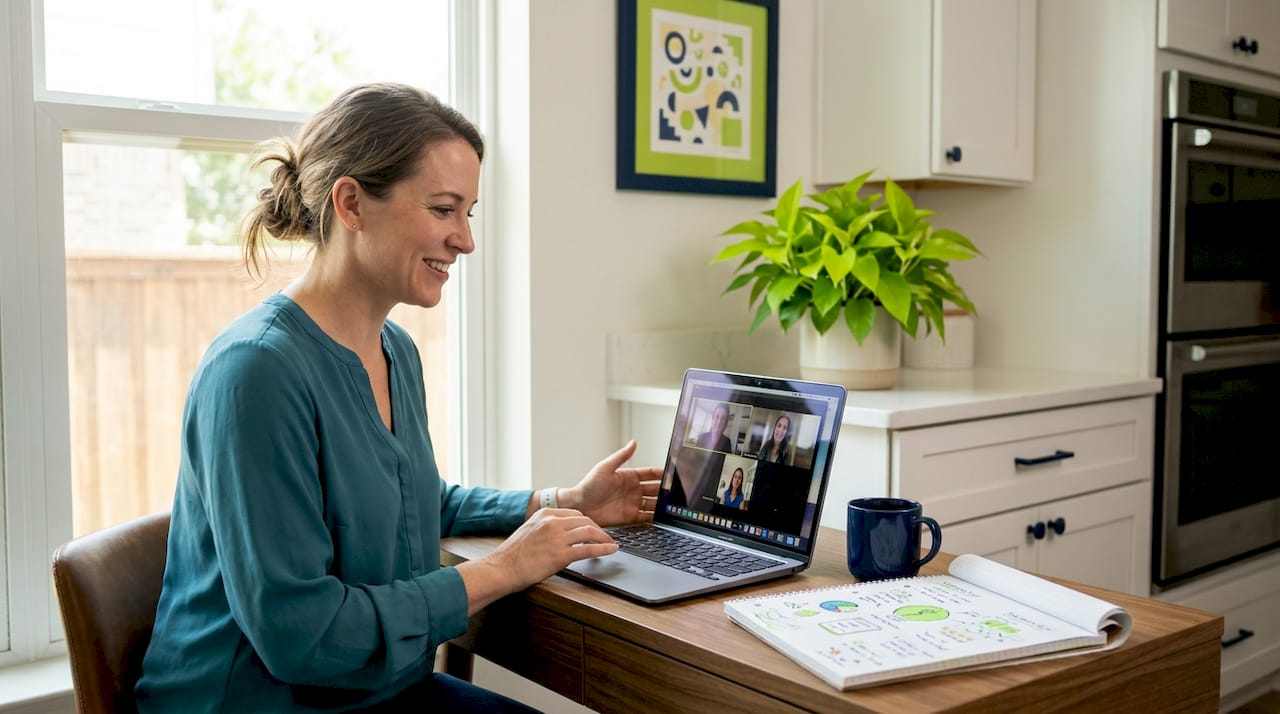
Finding a psychiatrist in North Dallas who has availability this week, let alone this month, is harder than it sounds. Between school pickups, back-to-back meetings, and the daily weight of managing anxiety, depression, or ADHD, scheduling in-person care can feel like one more thing that falls through. The benefits of telepsychiatry are changing that reality for a growing number of people in communities like Frisco, McKinney, Allen, and Plano. Before you decide whether virtual psychiatric care is right for you or your teenager, it helps to know exactly what to look for, what to expect, and where the real advantages lie.
Table of Contents
- Criteria to evaluate telepsychiatry benefits for your mental health needs
- Top benefits of telepsychiatry for anxiety, depression, and ADHD
- How telepsychiatry sessions are structured to maximize your care
- Telepsychiatry vs. in-person care: a side-by-side comparison
- How to decide if telepsychiatry is right for you or your family member
- Why telepsychiatry is not just a convenience but a clinical evolution
- Explore Nortex Psychiatry’s tailored telepsychiatry care for North Dallas
- Frequently asked questions
Criteria to evaluate telepsychiatry benefits for your mental health needs
Not every mental health situation is a natural fit for virtual care, and knowing your criteria upfront saves you time and frustration. The first question to ask is clinical: does your diagnosis and current symptom level match what telepsychiatry can safely support? Clinical suitability varies with condition manifestation, severity, and stability, with milder or well-managed conditions generally the best candidates. If you are in a stable phase of managing anxiety, depression, or ADHD, telepsychiatry is often a strong fit.
Beyond clinical factors, practical ones matter just as much. Here is what to assess before you begin:
- Internet reliability: A dropped connection mid-session is more than inconvenient. It can interrupt a sensitive conversation or a medication discussion. Test your home or office connection speed first.
- Private space: You need somewhere you can speak freely. A parked car works. A shared office does not.
- Technology comfort: Basic video call experience is enough. If you can use FaceTime or Zoom, you can handle most telehealth platforms.
- Scheduling fit: One of the biggest advantages of online psychiatry is evening and weekend availability. Confirm that your provider actually offers those slots.
- Platform security: Look for providers who use HIPAA-compliant video platforms. This is not optional. Your conversations must stay private.
Choosing a provider who delivers evidence-based psychiatry care matters as much as the delivery mode. Telepsychiatry is only as good as the clinician on the other end of the screen.
Pro Tip: Before your first session, do a quick test call with a friend or family member using the same device, room, and Wi-Fi you plan to use. This catches 90% of technical problems before they affect your care.
Having set the evaluation criteria, let’s review the key benefits of telepsychiatry that make it an appealing option for many in North Dallas.
Top benefits of telepsychiatry for anxiety, depression, and ADHD
The role of telepsychiatry goes well beyond skipping a commute. For the right person, it removes nearly every logistical barrier that causes people to delay or abandon treatment altogether.
Here are the benefits that matter most for common conditions:
- Faster access to care. Waitlists for in-person psychiatric appointments in the Dallas area can stretch weeks or months. Virtual providers often have shorter wait times, which matters when anxiety or depression is affecting your work or your child’s school performance.
- Reduced stigma. Sitting in a waiting room can feel exposing for people who have not yet told their employer or extended family they are seeking psychiatric help. Attending a session from home removes that barrier entirely.
- Treatment consistency. Telehealth reduces barriers and no-show rates improving treatment consistency, which is especially important when managing a condition that worsens with interruptions in care, like ADHD or recurrent depression.
- Proven effectiveness. Telepsychiatry demonstrated effectiveness for anxiety and depression, with research showing superior outcomes for anxiety disorders and comparable outcomes for depression versus in-person treatment.
- Flexibility for parents. Scheduling a virtual appointment during a school day or immediately after dropping kids off is far more practical than building in travel time. Many parents of teens also find it easier to have their child seen virtually, since teenagers often feel less guarded at home.
“The most powerful thing about telepsychiatry is not the technology. It is that it meets people exactly where they are, literally and figuratively.” This perspective shapes how we think about virtual care at Nortex Psychiatry.
Understanding these key benefits of psychiatric care gives you a clearer picture of what telepsychiatry can realistically deliver. Understanding these benefits, you may wonder how telepsychiatry sessions actually work and what to expect from them practically.
How telepsychiatry sessions are structured to maximize your care
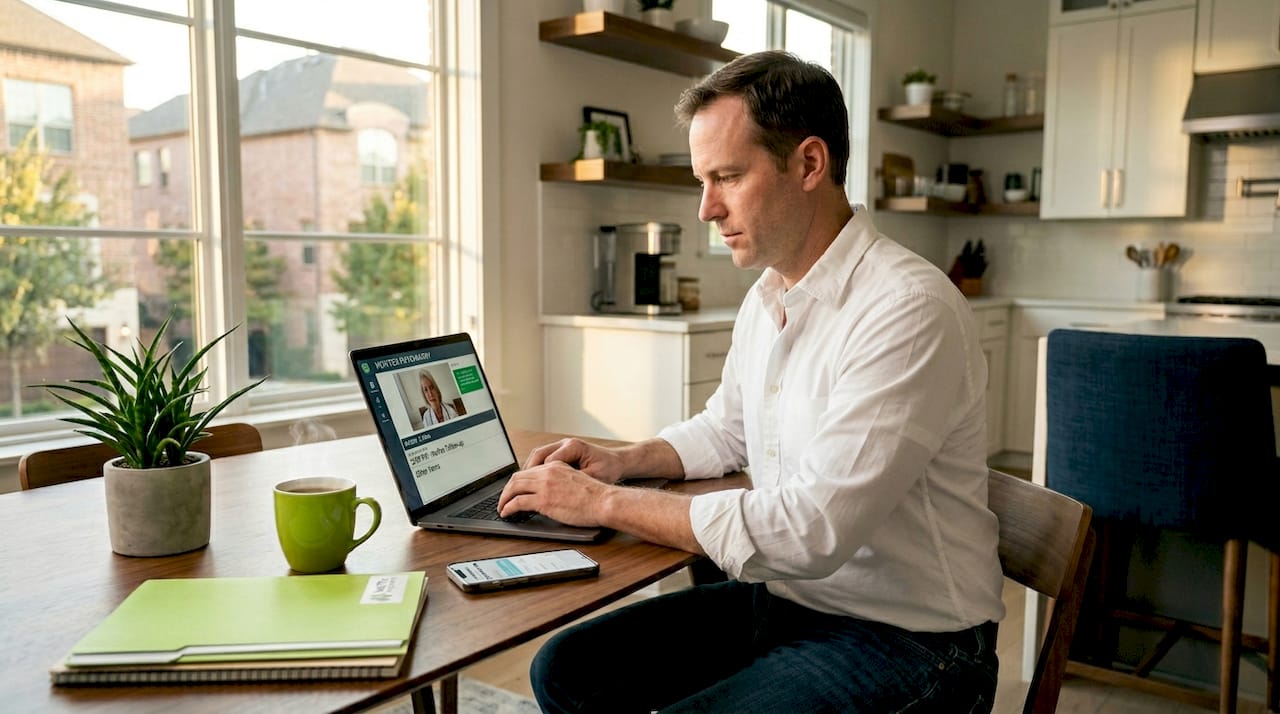
What is telehealth psychiatry in practice? It mirrors the structure of in-person visits more closely than most people expect. The format is familiar. The tools are just different.
Here is what a typical session flow looks like:
- Initial evaluation (45 to 60 minutes): Your first appointment is a thorough clinical interview. Your psychiatrist reviews your mental health history, current symptoms, medications, and goals. Telepsychiatry visit durations mirror in-person care, with initial evaluations running 45 to 60 minutes and follow-ups lasting 15 to 20 minutes. This is real diagnostic work, not a checkbox exercise.
- Medication management follow-ups (15 to 20 minutes): These shorter check-ins let your psychiatrist assess how a medication is working, address side effects, and adjust your plan. The brevity does not mean lower quality. It means the groundwork has already been laid.
- Secure video platform: All sessions use HIPAA-compliant technology. Before your first appointment, you will receive login instructions and a link. Most platforms work directly in your browser without downloading anything.
- Technical backup plans: What happens if your video drops? A good provider has a clear protocol, usually switching to a phone call to finish the session without losing your appointment time.
- Continuity of care: Because your chart, prescriptions, and notes live in the same system regardless of whether you attend in-person or virtually, your care stays connected. This supports the personalized psychiatric care approach that produces lasting improvement.
Understanding how sessions are structured removes a lot of the uncertainty that keeps people from starting. Next, let’s compare telepsychiatry with traditional in-person care so you can weigh what suits your lifestyle and clinical needs best.
Telepsychiatry vs. in-person care: a side-by-side comparison
Mental health holds the highest telehealth utilization rate of any specialty at 28.2%, which tells you something important: people are choosing virtual psychiatric care and sticking with it. But it is not the right fit for every situation. Here is how the two options compare across the dimensions that matter most.
| Factor | Telepsychiatry | In-person care |
|---|---|---|
| Scheduling flexibility | High, often includes evenings and weekends | Typically limited to business hours |
| Travel required | None | Yes, often 20 to 45 minutes round trip |
| Wait times | Generally shorter | Can be weeks to months |
| Privacy at home | Requires a private space | Built-in at the clinic |
| Effectiveness for anxiety | Shown to be superior or equal to in-person | Strong, well-established |
| Effectiveness for depression | Comparable to in-person care | Well-established |
| Suitability for ADHD management | Excellent for established cases | Preferred for initial complex evaluations |
| Crisis or severe symptoms | Not appropriate, in-person required | Appropriate for all severity levels |
| Technology requirement | Device, camera, microphone, internet | None beyond transportation |
Both modes can deliver quality personalized evidence-based psychiatry when matched correctly to the patient’s needs.
A few points worth noting:
- If your teen is resistant to therapy, the lower-pressure environment of a home-based session can actually improve how engaged they are.
- If you have a complex, recently changed, or unstable presentation, in-person visits offer more clinical information through physical observation.
- A hybrid approach, starting in-person and transitioning to virtual for follow-ups, works well for many patients.
Pro Tip: If you are unsure which format fits your situation, ask your provider for a brief phone consultation before booking. A good psychiatrist will tell you honestly which mode is more appropriate for where you are right now.
With this comparison in mind, let’s conclude with guidance on making the right decision for your mental health journey.
How to decide if telepsychiatry is right for you or your family member
The decision does not need to be permanent. Many people start with one format and shift over time. What matters is making a thoughtful choice now rather than delaying care entirely. Telepsychiatry’s benefits depend on reliable internet, privacy, and digital skills that vary among patients, which is why a self-assessment is the right first step.
Work through this list before booking:
- Check your internet. Run a basic speed test. You want at least 10 Mbps for a stable video session.
- Identify your space. Walk through your home or office and find one room where you can close the door and speak privately for an hour.
- Match the mode to your condition. Stable anxiety, ADHD, or depression managed with medication are strong candidates. Active suicidal ideation, psychosis, or a recent major crisis require in-person evaluation first.
- Think about your schedule. Does your provider offer slots before 9 a.m. or after 5 p.m.? Does that solve your actual scheduling problem?
- Ask about a backup plan. A provider who has no protocol for technical failures is not fully prepared. This detail tells you a lot about how organized their care delivery is.
If you are making this decision for a teenager, involve them. Ask them where they feel most comfortable talking about how they feel. Their buy-in matters significantly for treatment engagement.
Visit the mood disorder treatment guide if you are navigating a more complex presentation and want help thinking through your next step.
Having weighed these factors, you now have a solid foundation to make an informed choice about telepsychiatry.
Why telepsychiatry is not just a convenience but a clinical evolution
Here is something we do not say enough: telepsychiatry done well is not a compromise. It is an upgrade for many patients.
The common assumption is that virtual care is a lesser version of in-person treatment, something you tolerate when you cannot get a real appointment. That framing misses what is actually happening. When a patient attends a session from their own home, they are often more relaxed, more honest, and more likely to return. Those are not small clinical wins.
Professional virtual environments enhance telepsychiatry effectiveness in measurable ways. Optimizing lighting, camera angle, and sound helps preserve the nonverbal cues that psychiatrists rely on to assess mood, affect, and engagement. A clinician who can see your face clearly, hear your voice without distortion, and minimize distractions is practicing at full capacity. The technology, when set up correctly, does not get in the way.
We also believe strongly in preparation. Documented backup plans for technical issues are essential for safe, continuous care. At Nortex Psychiatry, we set those expectations with every patient before their first session. If the video drops, here is what we do. That clarity protects the therapeutic relationship.
The role of telehealth in mental health has evolved far beyond pandemic necessity. It is now a mature care delivery model with its own evidence base, its own best practices, and its own unique strengths. The patients who benefit most are those who set up their environment intentionally, choose the right provider, and treat their virtual sessions with the same commitment they would bring to an in-person visit. A well-structured supportive environment in psychiatry matters whether you are sitting across from your doctor or looking at them on a screen.
Explore Nortex Psychiatry’s tailored telepsychiatry care for North Dallas
Now that you understand the benefits and considerations of telepsychiatry, Nortex Psychiatry stands ready to guide your care journey in North Dallas. We serve busy professionals, parents, and families across Allen, Frisco, McKinney, and Plano with flexible virtual care appointments that fit around your actual life. Our psychiatrists specialize in anxiety, depression, ADHD, and mood disorders and approach every patient with a personalized, evidence-based plan.
If anxiety is your primary concern, explore how we transform anxiety care for adults through targeted evaluation and treatment. If mood instability is part of your picture, our personalized mood disorder treatment guide can help clarify your options. Not sure where to start? Our self-assessment tool takes just a few minutes and helps you understand your needs before your first appointment.
Frequently asked questions
Is telepsychiatry effective for treating anxiety and depression?
Research shows telepsychiatry is as effective as in-person care for depression and even more effective for anxiety disorders in many studies, making it a clinically sound choice for most stable presentations.
What technical requirements do I need for telepsychiatry?
You need reliable high-speed internet, a private and quiet space, a device with a camera and microphone, and basic comfort using video tools. Reliable internet and privacy are the two factors most likely to affect your experience.
Can telepsychiatry replace all in-person psychiatric visits?
While telepsychiatry suits many stable conditions, severe cases like active psychosis or major safety concerns typically require in-person evaluation for comprehensive clinical assessment.
How long do telepsychiatry sessions usually last?
Initial evaluations typically last 45 to 60 minutes, and medication follow-ups usually run 15 to 20 minutes, closely mirroring traditional in-person session lengths.
What should I do if my telepsychiatry session faces technical issues?
The best approach is to agree on a backup plan with your provider before care begins, typically switching to a phone call for continuity so your appointment is not lost due to a technical disruption.