


Bipolar I involves at least one full manic episode, sometimes severe enough to require hospitalization or trigger psychosis. Bipolar II never involves full mania. It’s built from hypomania, a milder mood elevation, paired with major depressive episodes. That single distinction shapes how each is diagnosed, how urgently a psychiatrist responds, and what treatment plan makes sense for you.
TL;DR:
- The severity of bipolar I comes from full manic episodes lasting at least a week or requiring hospitalization, often with psychosis and significant impairment.
- Hypomania in bipolar II lasts at least four days, involves milder symptoms with less functional disruption, and never includes psychosis or hospitalization.
- Depressive episodes in bipolar II tend to last longer and cause more disability than hypomanic periods, making them the primary treatment focus.
- Accurate diagnosis relies on detailed history, collateral reports, sleep logs, and recognizing subtle hypomanic symptoms often overlooked by patients.
- Treatment typically involves mood stabilizers like lithium or valproate, with psychotherapy and careful medication management to avoid triggering episodes or cycling.
Table of Contents
- Bipolar I Disorder: DSM Criteria and Clinical Features
- Bipolar II Disorder: Hypomania Criteria and Why Depression Often Dominates
- Mania vs Hypomania: The Side-by-Side We Use in Session
- Symptoms and Episode Impact: Depression, Suicide Risk, and Daily Functioning
- Diagnosis in Practice: What We Look For and How You Can Help Us Get It Right
- Treatment and Management: Medications, Therapy, and a Safety Caution Worth Repeating
- Prognosis and Living Well With Bipolar Disorder
- What We Often See in Clinic
- How Nortex Psychiatry Can Help With Evaluation and Treatment
- Primary Sources and Guidelines Referenced
- Sources
- FAQ
Bipolar I Disorder: DSM Criteria and Clinical Features
We diagnose bipolar I when a patient has had at least one manic episode. Under the DSM-5-TR criteria described by the Merck Manual, mania has to last approximately one week or longer, or any length of time if hospitalization becomes necessary. During that window, mood is abnormally elevated, expansive, or irritable, and at least three additional symptoms have to show up alongside it (four if mood is only irritable).
In practice, that looks like:
- Decreased need for sleep, sometimes going days on very little rest without feeling tired.
- Pressured, rapid speech that’s hard to interrupt.
- Grandiosity, inflated self-esteem, or a sense of invincibility.
- Racing thoughts and distractibility.
- Risky behavior, impulsive spending, reckless driving, or uncharacteristic sexual choices.
What separates mania from a “good mood” is impairment. If those symptoms are severe enough to disrupt work, relationships, or safety, or if psychosis (delusions, hallucinations) enters the picture, we’re looking at bipolar I, not something milder. This is also where acute risk lives. A manic episode can escalate fast, and hospitalization sometimes becomes the safest option while medication takes effect. We also watch for depressive episodes and rapid cycling in the same patients, since bipolar I rarely stays confined to one mood state for long.
Bipolar II Disorder: Hypomania Criteria and Why Depression Often Dominates
Hypomania has to last at least four consecutive days, with the same symptom menu as mania, elevated mood, less sleep, talkativeness, racing thoughts, according to Merck’s diagnostic framework. The difference is intensity. Hypomania doesn’t cause marked impairment, doesn’t require hospitalization, and never includes psychosis. If it did, we’d be calling it mania.
That distinction sounds clean on paper. In the exam room, it’s often the hardest thing to pin down. Symptoms we typically see reported (or, more often, not reported) include:
- A noticeable boost in energy and confidence that feels good, not disruptive.
- Increased productivity, taking on new projects, cleaning the whole house at 2 a.m.
- Reduced sleep without the exhaustion you’d expect.
- Sociability or talkativeness that friends or family notice before the patient does.
Here’s the catch: people rarely complain about feeling better. Hypomania frequently gets remembered as a good week, not a symptom. That’s part of why NIMH’s guidance points to depressive episodes as the real driver of disability in bipolar II. The depression tends to last longer and hit harder than the hypomanic periods, which is often the opposite of what patients expect walking in. Some epidemiologic data also suggests bipolar II has been reported to appear more frequently in women, though presentation varies person to person.
Mania vs Hypomania: The Side-by-Side We Use in Session
When we’re trying to sort out which episode a patient is describing, we come back to four questions: how long did it last, how impaired were they, did psychosis show up, and did they need hospital-level care.
| Feature | Mania (Bipolar I) | Hypomania (Bipolar II) |
|---|---|---|
| Minimum duration | 7 days, or any length if hospitalized | 4 consecutive days |
| Functional impairment | Marked and disruptive | Present but less severe |
| Psychosis | Can occur | Never occurs |
| Hospitalization | Sometimes required | Not required |
Picture two patients. One stops sleeping for five days, maxes out three credit cards buying equipment for a business plan that doesn’t exist, and ends up in the emergency room after a confrontation at work. That’s mania, likely bipolar I. Another feels unusually sharp for a week, takes on extra projects, sleeps six hours instead of eight, and gets more done than usual. Colleagues notice she seems “on.” That’s hypomania, and it often gets mistaken for a great stretch rather than a symptom.
A few things blur these lines further. Mixed features, depressive and manic/hypomanic symptoms occurring together, complicate the picture, and rapid cycling, defined as multiple mood episodes within a year, tends to worsen treatment response in either diagnosis.
Symptoms and Episode Impact: Depression, Suicide Risk, and Daily Functioning
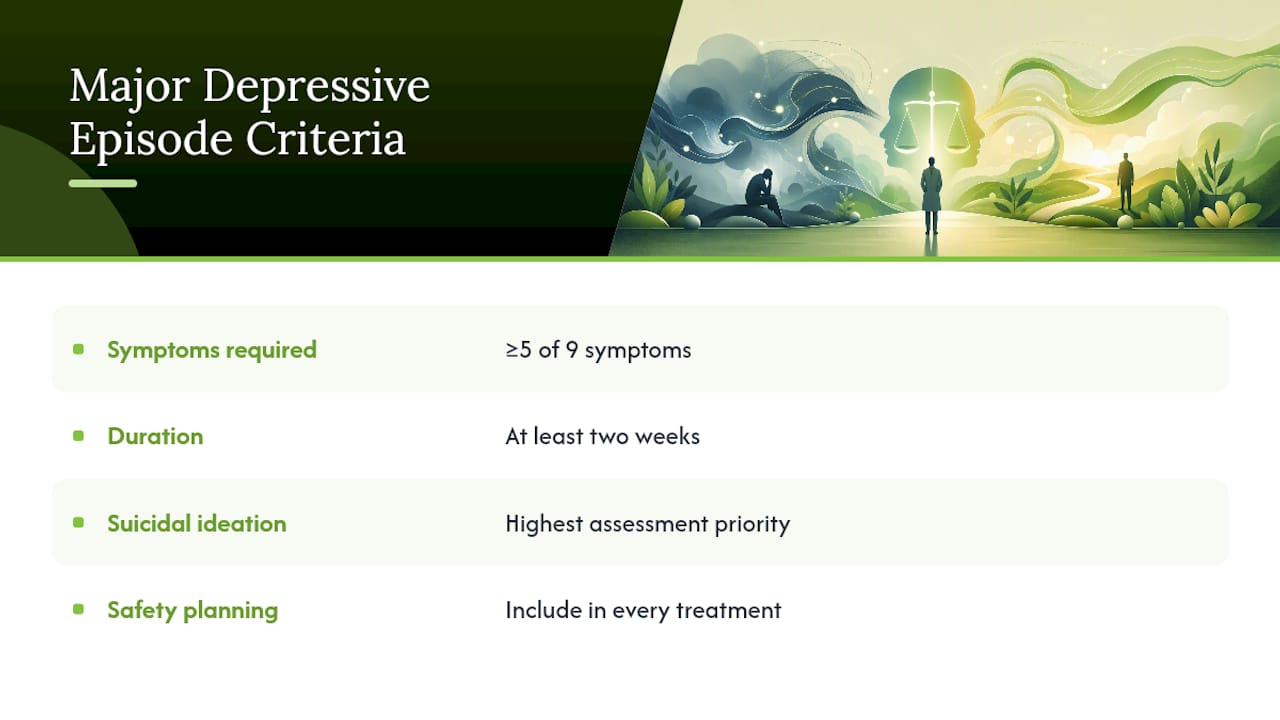
A major depressive episode requires at least five of nine symptoms (low mood, loss of interest, sleep or appetite changes, fatigue, concentration problems, feelings of worthlessness, and suicidal thoughts, among others) present for two weeks or more, as detailed in this overview of types of depression explained. Suicidal ideation is the symptom we take most seriously in any assessment, regardless of which bipolar diagnosis is on the table.
Pro Tip: If depressive episodes in bipolar II tend to run longer than the hypomanic periods that precede them, don’t assume the “up” phase is the one that needs treatment attention. The depression usually is.
Warning signs worth acting on immediately include talk of hopelessness, giving away possessions, sudden calm after a period of despair, or direct statements about wanting to die. If you or someone you know is in crisis, call 911 or the 988 Suicide & Crisis Lifeline. Depressive episodes, more than manic or hypomanic ones, tend to drive the long-term disability associated with bipolar disorder, which is exactly why safety planning belongs in every treatment conversation, not just crisis moments.
Diagnosis in Practice: What We Look For and How You Can Help Us Get It Right
Diagnosing bipolar disorder, especially bipolar II, is rarely a single-visit process. We’re weighing DSM-5-TR criteria against a patient’s history, sleep patterns, medication use, and, often, what family members have noticed that the patient hasn’t.
Hypomania gets missed for a few consistent reasons: it doesn’t impair function the way mania does, patients frame it positively (“I was just really productive that month”), and there’s often no collateral history from a partner or parent to catch what the patient minimized.
Here’s what tends to speed up an accurate diagnosis:
- Write out a rough timeline of mood episodes, even loosely remembered ones, going back several years.
- Note any stretches of unusually high energy, reduced sleep, or impulsive decisions, even if they felt good at the time.
- Bring a sleep log if you have one, or just estimate typical sleep over the past few months.
- List current and past medications, including any antidepressant trials and how you responded to them.
- If a partner, parent, or close friend has noticed mood shifts, ask if they’re willing to share their observations, even briefly.
Any prior psychiatric records or hospitalization history are worth bringing too. If you’ve had a manic episode with psychosis, or a depressive episode with suicidal thoughts, that’s a signal to seek urgent evaluation rather than waiting for a routine appointment. Our bipolar diagnosis process page walks through what to expect at that first evaluation in more detail.
Treatment and Management: Medications, Therapy, and a Safety Caution Worth Repeating
Treatment differs by episode type, but the backbone for both bipolar I and bipolar II tends to be a mood stabilizer. Lithium and valproate remain first-line options, and certain atypical antipsychotics often work faster for acute mania than mood stabilizers alone. For bipolar II, mood stabilizers also play a preventive role against depressive relapse, which is often the bigger long-term concern.
Psychotherapy adds real value alongside medication:
- Cognitive behavioral therapy (CBT) helps identify and interrupt distorted thinking patterns tied to both depressive and manic states.
- Interpersonal and social rhythm therapy focuses on stabilizing daily routines, sleep, and social patterns, which directly affects mood stability.
- Psychoeducation helps patients and family members recognize early warning signs before an episode fully develops.
Pro Tip: If you’ve been prescribed an antidepressant for depression without a mood stabilizer, and you have a bipolar diagnosis (or a family history that suggests one), that’s worth flagging to your prescriber directly. Antidepressant monotherapy can trigger a manic switch or accelerate cycling in people with bipolar-spectrum illness. This is one of the more common preventable missteps we see, and it’s an easy one to correct with the right conversation.
For depression that hasn’t responded to standard approaches, adjunctive options exist. TMS therapy and esketamine treatments are worth discussing with a psychiatrist familiar with bipolar-specific evidence, since these therapies carry different considerations than they do for unipolar depression. A mood stabilizer explainer can help you understand what each medication class is actually doing.
Prognosis and Living Well With Bipolar Disorder
Bipolar disorder is typically a lifelong condition, but “lifelong” doesn’t mean unmanageable. Episode frequency varies enormously between people, some go years between episodes, others cycle more often, and that variability is normal, not a sign that treatment has failed.
What tends to reduce relapse risk over time:
- Consistent medication adherence, even during periods when you feel well.
- Protecting sleep as a non-negotiable, not a nice-to-have.
- Building an early-warning plan with your psychiatrist so mood shifts get caught before they escalate.
- Regular therapy check-ins, especially during major life transitions.
Our coping strategies guide covers daily habits that support this kind of stability.
What We Often See in Clinic
We’ve lost count of how many times a patient describes a “great month” that, on closer questioning, lines up exactly with a hypomanic episode. It’s rarely dishonesty. It’s memory shaped by how good it felt at the time. That’s why we lean on collateral history when we can get it, a partner or parent often remembers what the patient minimized. If mood swings are affecting your relationships, work, or safety, that’s reason enough to get evaluated, whether in person or through telehealth.
— Felix
How Nortex Psychiatry Can Help With Evaluation and Treatment
Getting an accurate diagnosis between bipolar I and bipolar II usually takes more than a single conversation, and that’s exactly what a full psychiatric evaluation is built for. Psychiatric evaluations, ongoing medication management, and, when appropriate, advanced options like TMS therapy, ketamine infusion, and Spravato for depression that hasn’t responded to standard treatment may be available in person or through telehealth.
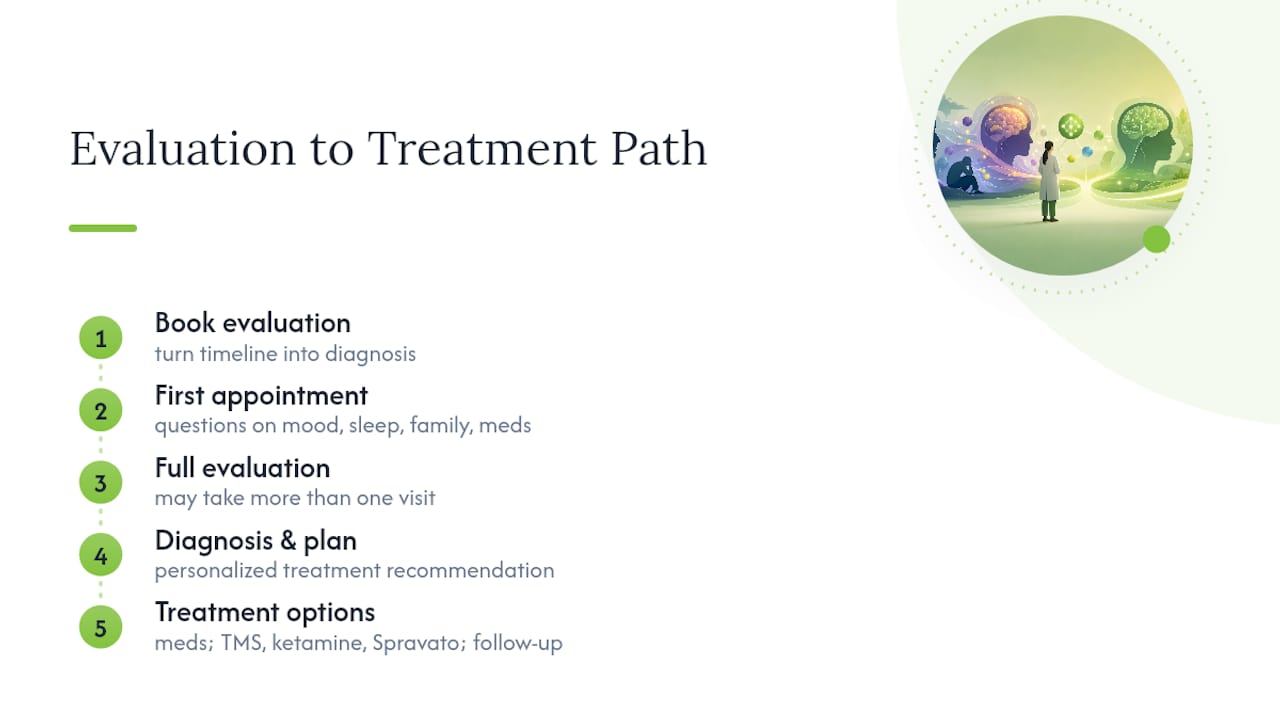
At your first appointment, expect questions about mood history, sleep, family history, and current medications, so it helps to bring whatever timeline or notes you’ve put together beforehand. If you’re noticing mood patterns that don’t add up, whether that’s depressive stretches that won’t lift or energy spikes that worry the people around you, our guide on why seeking psychiatric care matters is a solid next step, and booking an evaluation is how that timeline turns into an actual diagnosis and plan.
Primary Sources and Guidelines Referenced
- DSM-5-TR criteria via Merck Manual Professional Edition
- NIMH: Bipolar Disorder
- NCBI StatPearls: Mania
- APA DSM-5-TR Bipolar I and II Criteria Changes
This article is general information, not a substitute for advice from a qualified doctor. Consult a qualified healthcare professional about your own circumstances before acting on anything here.
Sources
- Bipolar Disorders – Merck Manual Professional Edition
- Bipolar disorder – National Institute of Mental Health (NIMH)
- Mania – StatPearls – NCBI Bookshelf
FAQ
Is Bipolar I More Serious Than Bipolar II?
Bipolar I involves full mania, which can include psychosis and hospitalization, so it’s generally considered the more acutely severe diagnosis. That said, bipolar II’s depressive episodes often cause more day-to-day disability over time, so “serious” depends on which symptom you’re measuring.
What Is a Bipolar II Person Like?
Someone with bipolar II typically cycles between major depressive episodes and hypomanic periods marked by higher energy, less sleep, and increased confidence, without ever reaching full mania. Between episodes, many people function well and may not display obvious symptoms at all.
What Is the Life Expectancy of Someone With Bipolar Disorder?
Life expectancy can be shortened by factors like cardiovascular risk, medication side effects, and elevated suicide risk, which is why ongoing psychiatric care and safety planning matter throughout treatment. Individual outcomes vary widely depending on treatment adherence and access to consistent care.
Can You Have High-Functioning Bipolar Disorder?
Yes. Many people with bipolar I or bipolar II maintain careers, relationships, and daily responsibilities, particularly with consistent treatment and mood stabilization. High functioning doesn’t mean symptom-free; it usually means the symptoms are being actively managed.