


Accessing mental health care when symptoms persist beyond medication or therapy puts you in an awkward spot where most clinics restrict you to a single intervention or make switching options slow. Many providers will not move quickly between TMS, ketamine, neuromodulation, and biomarker analysis unless you start fresh with each specialty, which drags out the process and creates unnecessary delays. By weighing the core features and workflow flexibility across these four services, you can decide which model offers the breadth and speed you need without chasing disconnected referrals.
Table of Contents
- Nortex Psychiatry TMS & Ketamine
- Cereset
- MeRT (Magnetic e-Resonance Therapy) by Braincare Performance Center
- BrainHealth.net
- Comparatively Evaluating Mental Health Services
Nortex Psychiatry TMS & Ketamine
At a Glance
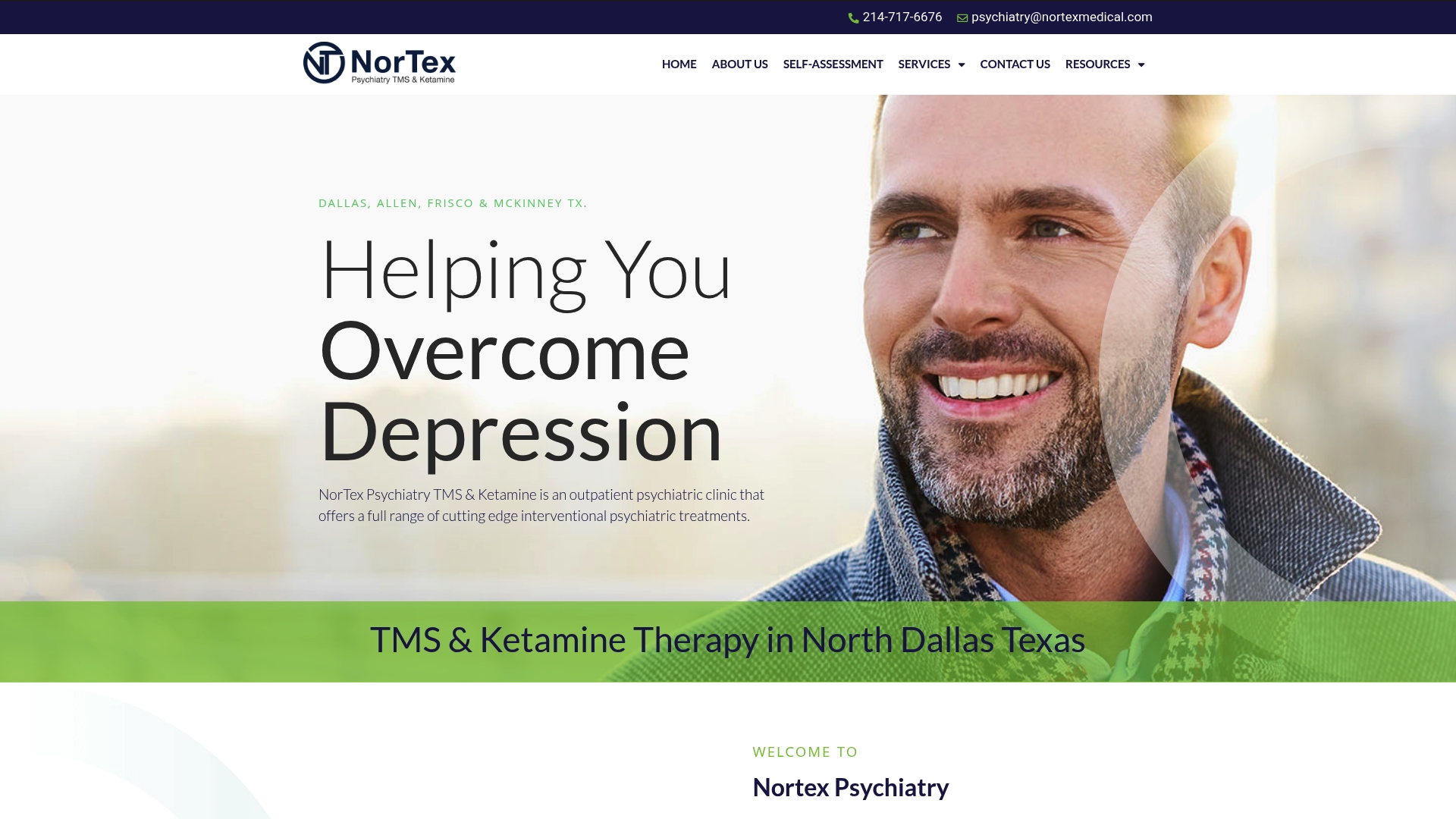
Nortex Psychiatry runs outpatient programs across Allen, Plano, Frisco, McKinney, and Dallas that combine TMS, Ketamine, Spravato, and Stellate Ganglion Block under one clinical roof. The clinic advertises rapid symptom relief and an evidence-based approach as part of its treatment planning.
Core Features
-
TMS, IV Ketamine, Spravato, and Stellate Ganglion Block delivered in outpatient sessions with monitoring and follow up.
-
Personalized, thorough treatment plans that include self-assessment tools and patient education to guide next steps.
-
Multiple North Dallas locations and telehealth intake options to reduce travel and speed access for local patients.
Key Differentiator
What separates this practice is the range of interventional options offered in a single outpatient setting. You can be evaluated and moved from one modality to another without coordinating among separate specialty clinics, which shortens administrative friction when a rapid change in strategy is needed.
Pros
-
Specialization in advanced interventional treatments means the staff are experienced with procedural workflows and monitoring your response during a course of TMS or ketamine.
-
A focus on personalized plans helps match a specific intervention to your history, medication trials, and symptom pattern rather than offering a single standard pathway.
-
Multiple clinic sites across North Dallas make follow up practical if you live in Allen, Plano, Frisco, McKinney, or nearby communities.
-
Educational resources and self-assessment tools put information in your hands before the first treatment visit, which reduces anxiety and clarifies expectations.
Cons
- Limited public detail on insurance coverage and out-of-pocket costs means you will likely need a phone call or visit to estimate what your financial responsibility will be.
Who It’s For
If you live in the North Dallas area and have depression, OCD, PTSD, or anxiety that has not responded to standard medication or therapy, this practice is aimed at you. It is especially relevant when you want noninvasive or rapid-acting options and coordinated care under one clinical team.
Unique Value Proposition
By offering multiple interventional modalities in one outpatient clinic, Nortex Psychiatry lets you shift clinical strategies quickly without waiting on external referrals. For patients who have already tried medications and talk therapy, that operational simplicity shortens the time from evaluation to a different therapeutic trial.
Real World Use Case
You have medication-resistant depression and live in Plano. After an intake visit and medical review you start a TMS course while the team tracks your response. If progress stalls, the clinic can discuss an IV Ketamine series or Spravato as part of the same treatment plan, avoiding new referrals and long delays.
Pricing
Not applicable as presented. The site is informational about services and locations; you should contact the clinic for current fees, insurance participation, and any preauthorization requirements.
Website: https://nortexpsychiatry.com
Cereset
At a Glance
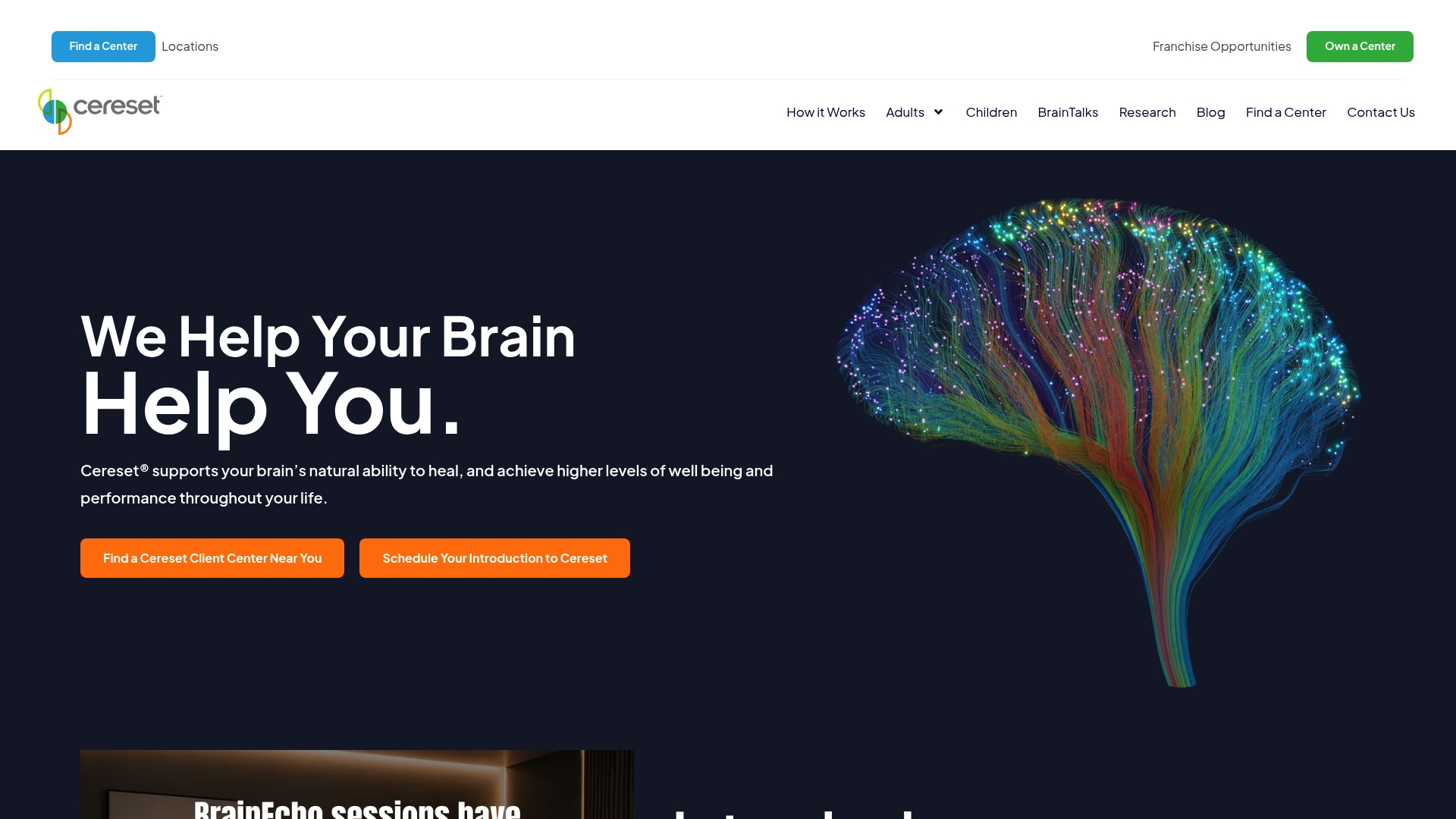
A core five-session wellness package runs about $1,500 to $2,000, with initial evaluations listed between $99 and $200. Cereset uses a sound-based approach that the company says reflects each person’s brain activity to support natural regulation without medication.
Core Features
- Proprietary BrainEcho® neuromodulation that uses acoustic feedback to mirror brainwave patterns.
- Personalized brain assessment including a Personal Brain Index® to track baseline and changes over time.
- Programs focused on sleep, PTSD, anxiety, depression, cognitive support, and post-COVID symptoms.
- Initial evaluation sessions, ongoing tune-ups, and family or individual package options to maintain gains.
Key Differentiator
The patented BrainEcho® mechanism is the single design element Cereset highlights. It aims to resonate with your brain’s natural rhythms rather than impose an external stimulation pattern. That mirroring approach frames the treatment as facilitative rather than corrective.
Pros
- The vendor’s marketing materials state there is research and clinical trial work supporting the approach, which gives clinicians concrete references to review before referral.
- Non-invasive and drug-free option for patients who prefer behavioral or device-based interventions over medication.
- Tailored programs based on the Personal Brain Index® make it easier to discuss measurable progress with patients and families.
- The model includes routine tune-ups, which fits patients who want ongoing maintenance rather than a single episode of care.
- For sleep and stress complaints the setup is straightforward and often acceptable to patients who are hesitant about pharmacologic options.
Cons
- Outcomes vary; some patients report only subtle or temporary changes and need ongoing sessions to sustain benefit.
- Effective courses require repeated visits and a time commitment that some people cannot accommodate.
- Price places the core program out of reach for many without insurance coverage or employer benefits.
- Patient reports show variability, so predictable clinical response is not guaranteed for every diagnosis.
When It May Not Fit
If you need immediate symptom control with medication, this is not a substitute for acute pharmacologic management. If you cannot commit to multiple sessions or travel to treatment locations for tune-ups, the model will be a poor fit. Also avoid it if you require treatments fully covered by insurance and cannot pay out of pocket.
Who It’s For
You if you live in Texas and want a drug-free, assessment-driven option to explore alongside standard care. At Nortexpsychiatry we often discuss device-based alternatives with patients who want fewer medications, clearer measurement of change, and follow-up sessions built into the plan.
Real World Use Case
A client with chronic insomnia completes a 50-minute evaluation and a five-session BrainEcho® package. Over several weeks they report better sleep continuity and reduced night anxiety, then schedule periodic tune-ups to hold those gains.
Pricing
Initial assessment: $99 to $200. Core five-session wellness package: $1,500 to $2,000. Additional tune-up sessions range from $225 to $350 each. Family and package discounts are available per the vendor’s pricing notes.
Website: https://cereset.com
MeRT (Magnetic e-Resonance Therapy) by Braincare Performance Center
At a Glance
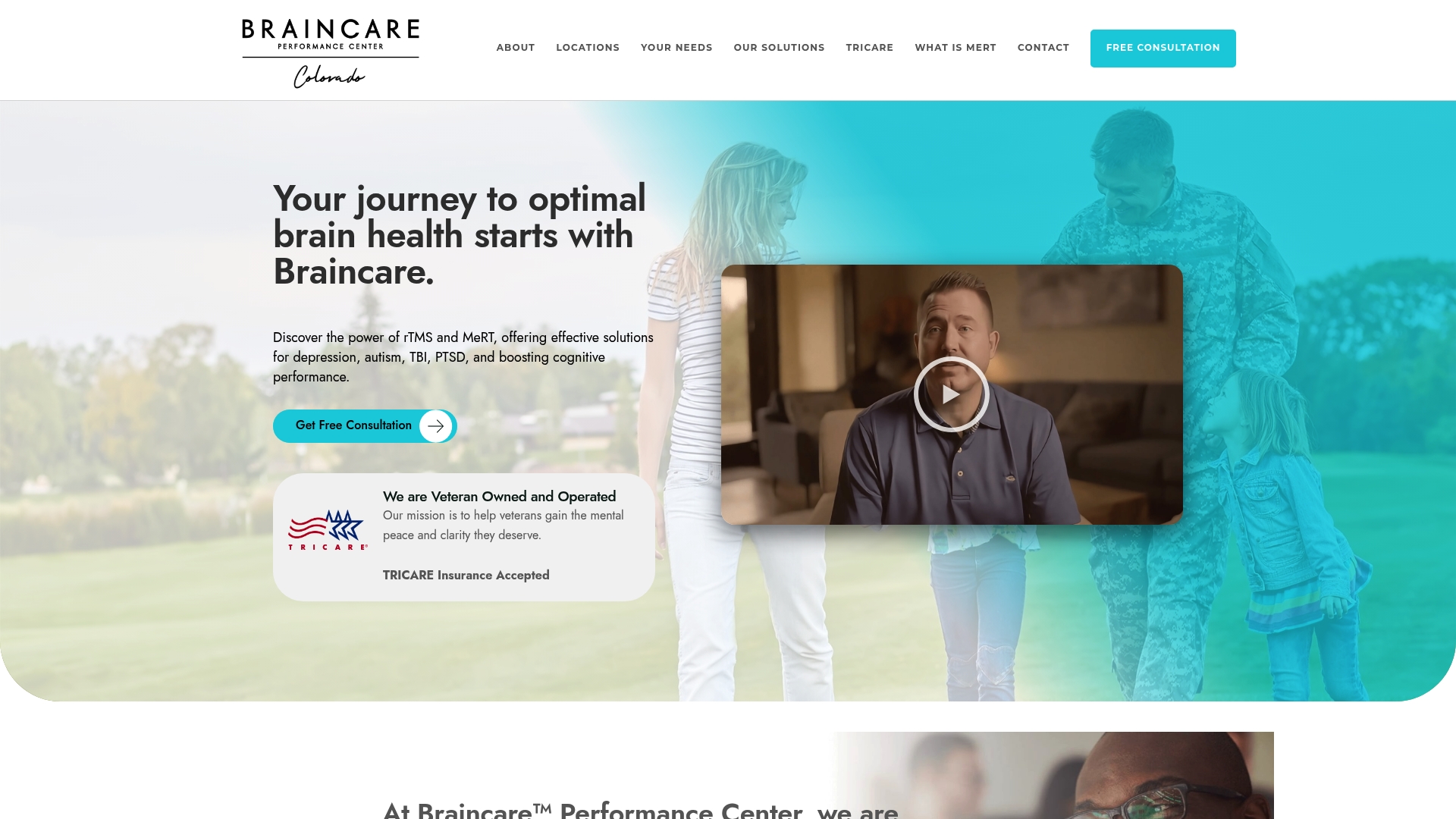
Braincare’s materials advertise EEG-informed mapping that drives individualized magnetic stimulation protocols and they note FDA clearance for specific indications. We have seen clinics present MeRT as a data-driven, nonpharmaceutical option for cases where standard treatments have fallen short.
Core Features
The clinic begins with a digital baseline using EEG and sometimes EKG to map functional patterns. Treatment uses repeated transcranial magnetic pulses delivered in outpatient sessions with protocol adjustments roughly every two weeks.
Personalized protocols are recalibrated from objective reassessments, and the approach emphasizes noninvasive, medication-free modulation rather than pharmacologic changes.
Key Differentiator
What sets this offering apart is the explicit use of diagnostic brain recordings to shape each session. Where general psychiatry may titrate medication, MeRT targets neural synchronization by adapting pulse frequency and location to the recorded signals.
That diagnostic-to-treatment loop is the practice’s selling point and explains why they focus on brainwave modulation rather than broad medication management.
Pros
-
Highly tailored diagnostics. The emphasis on EEG-guided protocols reduces guesswork and gives clinicians objective markers to track across treatment.
-
Nonpharmaceutical option. For patients who prefer or require drug-free care, this offers a different pathway than medication adjustments alone.
-
Regulatory footing and research. The vendor advertises FDA clearance for certain conditions and cites clinical research reporting promising results for depression, autism, and PTSD, which patients and referrers often ask about.
-
Veteran-oriented access. The center notes Veteran ownership and acceptance of TRICARE, which can simplify logistics for military patients.
Cons
-
Evidence limits. Aside from the clearance noted above, many uses are off-label; outcomes vary and the clinic’s own research claims should be read as vendor-reported.
-
Time and commitment. The therapy requires multiple outpatient visits over weeks, which can disrupt work or family schedules.
-
Access constraints. Treatment availability and geographic reach may limit options for Texans outside metropolitan areas unless they can travel.
When It May Not Fit
If you need rapid medication adjustments, short-term crisis management, or integrated psychotherapy plus medication in one setting, this focused brainwave protocol can feel narrow. Also, if you cannot commit to frequent clinic sessions over several weeks, the model will be impractical.
Who It’s For
You, a Veteran or an adult with depression, PTSD, TBI, or autism-related concerns who prefers a data-driven, nonpharmaceutical path. It also fits families pursuing targeted interventions and clinicians seeking adjunctive brain modulation for treatment-resistant presentations.
Real World Use Case
A Veteran with treatment-resistant PTSD completes baseline EEG, receives a tailored MeRT schedule, and attends supervised outpatient sessions over six weeks. The team rechecks EEG every two weeks and refines the protocol, documenting shifts in synchronization alongside symptom tracking.
Pricing
The practice lists informational material only; the website does not publish standard fees. We recommend contacting the clinic for a consult and a treatment estimate that reflects session count, diagnostics, and any insurance coordination.
Website: https://braincare-dtc.com
BrainHealth.net

At a Glance
The vendor advertises expert neurologist consultations within about two weeks, paired with blood testing and telehealth risk assessments. That combination aims to move worried patients from uncertainty to a documented care plan quickly while tracking markers over time.
Core Features
- Rapid cognitive and risk assessments delivered by telehealth to collect symptom history and cognitive screening data.
- Blood-based biomarkers testing intended for earlier detection of neurodegenerative risk and for ongoing tracking of disease markers.
- Neurologist consultations reported to occur within roughly two weeks for many patients, with personalized interpretation of results.
- Personalized lifestyle plans that integrate diet, exercise, sleep, and medication review to reduce modifiable risk.
- Rule-out labs and biomarker follow up to monitor progression and adjust plans.
Key Differentiator
BrainHealth.net positions the mix of rapid telehealth assessments with biomarker analysis and tailored lifestyle planning as its core advantage. For clinicians who want diagnostic signals plus behavioral prescriptions, that integration is the service angle that separates it from single-focus testing vendors.
Pros
- Rapid access. The consult timeline above shortens the wait from evaluation to specialist input, which reduces diagnostic limbo for patients.
- Clinical framing. Tests are paired with neurologist interpretation rather than raw lab results, so you get context for next steps.
- Practical plans. The lifestyle recommendations map to specific behaviors you can try and track rather than vague advice.
- Insurance friendly. The service is described as accessible to several insurance plans including Medicare, which matters for older adults and family caregivers.
- Provider support. Primary care teams can partner with the program for testing and consults instead of referring out and waiting months.
Cons
- Pricing transparency is limited. Public materials do not include clear fees or out of pocket estimates for most services.
- No platform integrations are listed, so pulling results into an existing EHR or clinical workflow may take manual effort.
- Some services may be geographically restricted, so not every step may be available in all states.
- Lifestyle recommendations depend on patient adherence, so effectiveness will vary by person and support system.
When It May Not Fit
If you need published pricing to plan costs or to compare line by line against local neurology clinics, this model will frustrate you. If you require in-person neuropsychological testing or an integrated EHR export, the telehealth plus lab focus may not cover that workflow.
Who It’s For
You are an adult in Texas worried about memory change or a clinician wanting faster cognitive workups for patients. Family members trying to quantify risk for an older loved one will also find the structured assessments and follow up useful.
Real World Use Case
A middle aged Texan completes an online risk assessment and blood biomarker panel. Within weeks a neurologist reviews the results by telehealth, prescribes a targeted lifestyle plan, and schedules biomarker tracking. Labs then provide objective data to guide follow up.
Pricing
The publicly available information is informational only and does not list standard pricing or bundles. Expect to confirm costs during intake or via your insurer since Medicare and other plans are reported to be accepted.
Website: https://brainhealth.net
Comparatively Evaluating Mental Health Services
When choosing a mental health provider, it’s essential to assess the specific needs of the patient against the strengths and limitations of available services.
Flexibility of Interventional Protocol
Nortex Psychiatry distinguishes itself by offering a wide range of treatments—including TMS, Ketamine therapy, and SGB—under a unified management. This integration enables transitions between modalities based on patient response. On the other hand, MeRT by Braincare Performance Center emphasizes EEG-guided treatment protocols, providing a targeted yet narrower scope only suited for individuals with conditions specifically benefiting from this customization.
Accessibility and Cost Transparency
Cereset stands out for its transparent pricing model, clearly outlining costs for each treatment program. In contrast, BrainHealth.net offers rapid telehealth access and integrative biomarker testing, yet it lacks cost clarity, requiring direct inquiries for detailed expense information. Nortex Psychiatry provides multiple physical locations and telehealth options to enhance accessibility, although its unclear pricing might necessitate advance consultation for budget estimation.
Best Fit Recommendations
- For patients in the North Dallas area who are considering interventional treatments within a coordinated clinic, Nortex Psychiatry is the recommended choice.
- If you prefer a technology-driven, non-invasive evaluation with measurable feedback, Cereset provides an approachable and transparent solution.
- For veterans seeking targeted brain wave modulation therapies supported by clear diagnostic metrics, MeRT by Braincare Performance Center is a fitting option.
- Individuals requiring rapid access to cognitive assessments and biomarker insights should consider BrainHealth.net.
Our Pick for Integrated Care
We recommend Nortex Psychiatry for its ability to deliver interventional treatments tailored to individual cases within one facility. However, if specific aspects offered by the competitors align better with your needs, they present viable alternatives. Evaluate these options based on the unique requirements of each case and prioritize accordingly.
Mental Health Services Comparison
Choosing the right mental healthcare provider involves evaluating their treatment scope, outcomes, and accessibility.
| Provider | Core Services | Key Differentiator | Best For | Pricing | Notable Limitation |
|---|---|---|---|---|---|
| Nortex Psychiatry | TMS, Ketamine, Spravato | Multiple interventional options in-clinic | North Dallas residents with complex cases | Not disclosed | Limited public details on insurance coverage |
| Cereset | BrainEcho® neuromodulation | Sound-based acoustic feedback | Non-invasive option seekers | $1,500–$2,000 package | Outcomes vary, requiring ongoing sessions |
| Braincare Performance Center | EEG-guided magnetic e-resonance therapy | Robust diagnostic-to-treatment protocols | Data-driven treatment fans | Not disclosed | Treatment availability limited to certain areas |
| BrainHealth.net | Neurological consults, biotracking labs | Rapid telehealth diagnostics with biomarkers | Families assessing cognitive risks | Not disclosed | Limited transparency around service pricing |
Finding the Right Brain Health Solutions for You
We have learned from working alongside many patients that facing complex brain health concerns can feel frustrating when options seem scattered or unclear. The article highlights challenges like juggling multiple treatment modalities or tracking progress without cohesive support. At Nortexpsychiatry, we prioritize bringing personalized, evidence-based care close to home in North Dallas. Our team coordinates treatments such as TMS and medication management under one roof to simplify your experience.
If you’re exploring brainhealth-solutions.com alternatives, consider how streamlined access to highly tailored psychiatric care can make a difference. Visit our Best TMS Therapy Near Me – Nortex Psychiatry page to see how we focus on targeted interventions that match your unique needs. Take the next step today by scheduling a consultation at Nortex Psychiatry and work with us to develop a treatment plan built around you.
Frequently Asked Questions
What makes Nortexpsychiatry’s treatment approach unique compared to traditional therapy?
Nortexpsychiatry offers a blend of TMS, IV Ketamine, Spravato, and Stellate Ganglion Block under one roof, allowing easy transitions between modalities based on patient response. This operational simplicity shortens the time from evaluation to treatment compared to standalone clinics. Patients can explore multiple treatment options without needing separate referrals.
How does the pricing of Nortexpsychiatry’s services compare with other providers?
Pricing specifics for Nortexpsychiatry are not fully disclosed, prompting potential patients to contact the clinic directly to learn about fees and insurance participation. In contrast, Cereset’s core five-session wellness package is priced between $1,500 to $2,000, providing a clearer cost structure upfront but focusing solely on sound-based neuromodulation.
Can I expect personalized treatment plans at Nortexpsychiatry?
Yes, Nortexpsychiatry emphasizes personalized treatment plans tailored to your individual history and symptom patterns. Their approach includes thorough self-assessment tools and patient education, which helps clarify what to expect before the first visit.
What limitations should I be aware of when considering Nortexpsychiatry?
While Nortexpsychiatry specializes in advanced interventional treatments, there is limited public information regarding insurance coverage and out-of-pocket costs. It’s important to call for estimates, particularly if you have specific insurance inquiries that could affect your choice.
Who would benefit the most from Nortexpsychiatry’s services?
Patients in the North Dallas area who have experienced medication-resistant depression, anxiety, OCD, or PTSD would find Nortexpsychiatry’s targeted outpatient treatments especially beneficial. Their range of non-invasive options is ideal for those seeking rapid symptom relief and integrated care.